The Simple Trick to Turn Holiday Giving Into Year-Round Youth Support
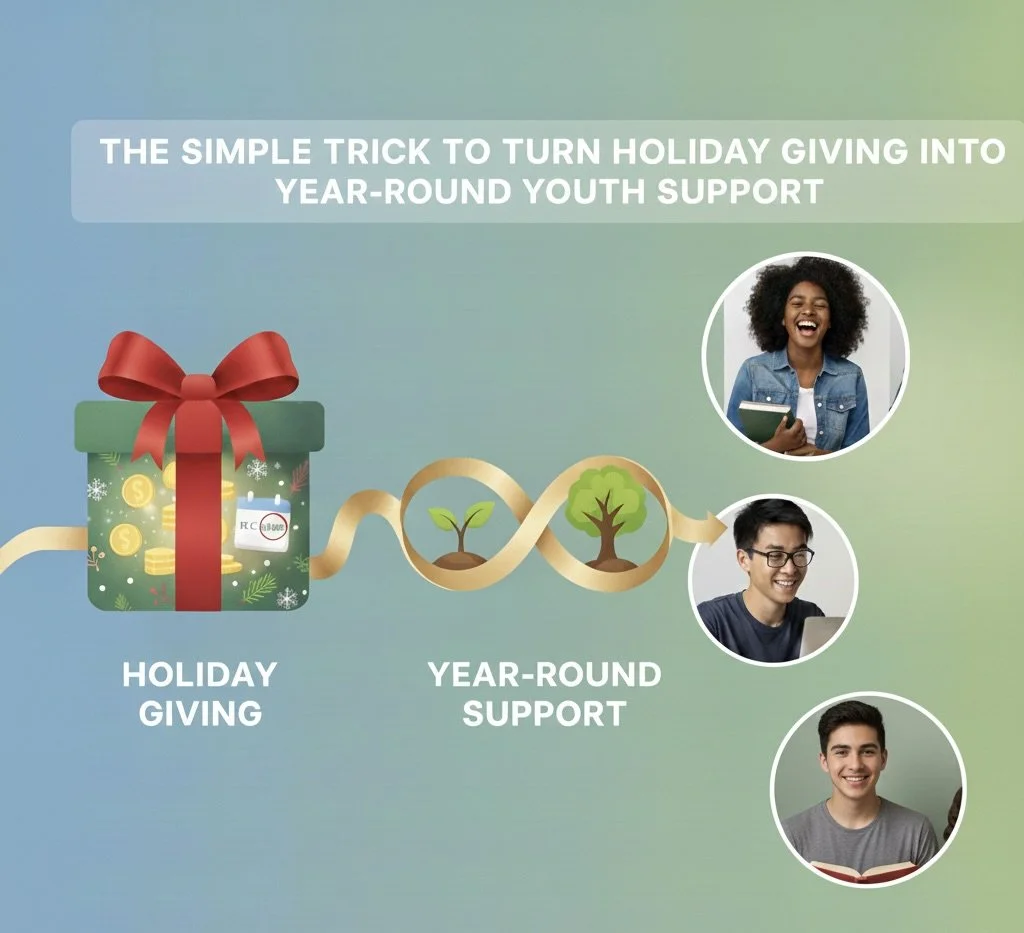
Every December, something amazing happens. Hearts open wider, wallets get more generous, and people start thinking about how they can help those in need. Food drives pop up at offices, toy collections fill community centers, and donation drives flood social media feeds. It's beautiful: and it's also temporary.
Here's the thing about homelessness, trauma, and the challenges facing young people today and that is that they don't take a holiday break. A teenager aging out of foster care needs support in February just as much as they do in December. A young person experiencing housing instability requires help finding stable employment in July, not just during the "season of giving."
So how do we bridge that gap? How do we turn the incredible generosity of the holiday season into something that lasts all year long? The answer is simpler than you might think.
The Holiday Giving Paradox

We've all seen it happen. November rolls around, and suddenly everyone's talking about helping those in need. December hits, and donation boxes are overflowing. January arrives, and... silence. The need doesn't disappear when the decorations come down, but the support often does.
This seasonal spike in giving creates what experts call the "charity cliff": a dramatic drop in donations and volunteer support that happens right after the holidays. For organizations supporting vulnerable youth, this pattern can be devastating. Just when young people need consistent, reliable support to build stable lives, the resources dry up.
The irony? The skills, relationships, and progress that young people build during those high-support winter months need nurturing throughout the entire year to stick. Imagine learning to ride a bike but only getting to practice in December. That's what seasonal support can feel like for youth trying to build life skills and stability.
The Simple Trick That Changes Everything
Here's where the magic happens. Instead of treating holiday giving as a one-time event, successful organizations use it as a gateway to year-round engagement. They don't just ask for December donations, they invite people into ongoing relationships with their mission.
The trick? Frame holiday giving as the first step in a year-long journey, not the final destination.
Instead of saying "Help us provide holiday meals for homeless youth," try "Help us launch a year-long nutrition program that starts with holiday meals and continues with cooking classes, food assistance, and nutrition education throughout the year."
Instead of collecting winter coats in December, create a clothing closet that operates year-round, with the holiday drive serving as the kickoff event that stocks it for the entire year.
This shift in framing transforms one-time donors into ongoing supporters because they can see the bigger picture of how their holiday gift creates lasting change.
How Organizations Make It Work
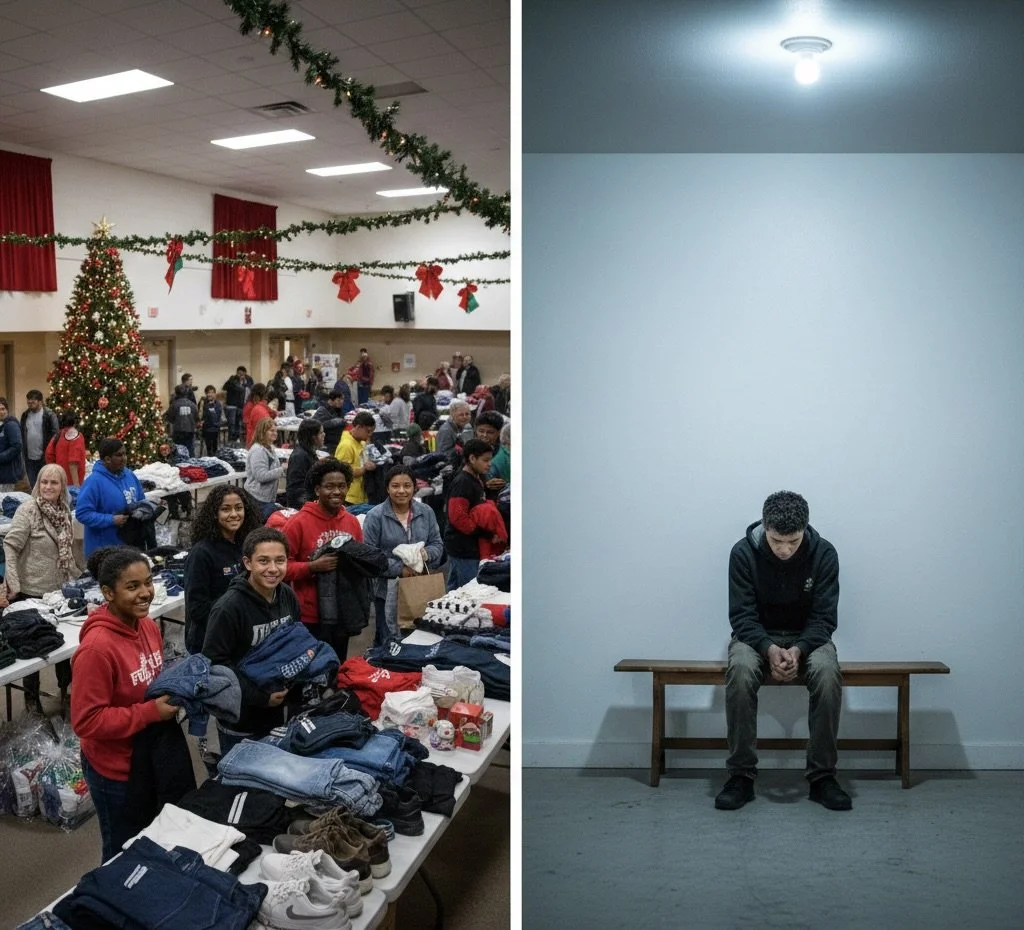
Smart youth-serving organizations have figured out how to make this transition seamless. They use holiday campaigns to introduce people to their year-round programs, then provide multiple touchpoints throughout the year to keep supporters engaged.
Take mentoring programs, for example. Many organizations launch their annual mentor recruitment during the holidays, when people are already thinking about giving back. They host holiday parties where current mentors and mentees can share success stories, showing potential volunteers the long-term impact of their programs. New mentors who sign up in December are then supported and engaged throughout the entire year.
Workforce development programs often use a similar approach. Holiday fundraising might support job training programs that run continuously. Donors who give in December receive updates in March about the young person who landed their first job, in June about someone completing their GED, and in September about a program graduate starting college.
The key is creating what one youth worker calls "sticky connections": ways for supporters to stay connected to the cause beyond their initial holiday gift. This might include:
Monthly newsletters featuring success stories
Volunteer opportunities spread throughout the year
Skill-specific ways to help (offering resume workshops, mock interviews, or career mentoring)
Social events that bring supporters together with program participants
Why Year-Round Support Actually Works Better

Research consistently shows that sustained, long-term support creates better outcomes for young people than intense, short-term interventions. Think about it from a young person's perspective: what's more helpful: having dozens of people care about you for one month, or having a smaller group of people consistently support you for an entire year?
Young people aging out of foster care, for instance, need help with everything from finding housing to building credit to learning how to manage healthcare. These aren't skills you can master in a weekend workshop: they require ongoing support, practice, and encouragement over months and years.
The same goes for educational support. A holiday gift of school supplies is wonderful, but what really changes outcomes is having consistent tutoring, mentoring, and encouragement throughout the school year. Academic success happens one assignment, one test, one semester at a time.
Mental health support follows the same pattern. While crisis intervention is crucial, the real healing happens through consistent therapy, peer support groups, and stable relationships that persist through good times and bad times alike.
Practical Steps to Make the Shift
Ready to turn your holiday giving into year-round support? Here's how to start:
For Individual Donors:
Instead of making a one-time December donation, set up a monthly recurring gift that spreads your holiday donation across the entire year
Ask organizations how your holiday gift connects to their year-round programs
Sign up for volunteer opportunities beyond the holiday season
Follow organizations on social media and engage with their year-round content
For Organizations:
Design holiday campaigns that explicitly connect to year-round programming
Create donor communication plans that extend well beyond December
Offer multiple engagement opportunities throughout the year
Track and share long-term outcomes, not just holiday season metrics
For Employers and Community Groups:
Instead of annual holiday drives, consider ongoing partnerships with youth-serving organizations
Offer employee volunteer opportunities year-round
Sponsor specific programs or staff positions rather than just holiday events
Building Relationships That Last

The most successful programs don't just ask for money or donations: they invite people into relationships. They help supporters understand that supporting youth isn't about giving things to people; it's about walking alongside young people as they build skills, overcome challenges, and create positive futures.
This relationship-based approach transforms how people think about giving. Instead of feeling good about a December donation and moving on, supporters become invested in ongoing outcomes. They start asking questions like "How is Marcus doing in his job training program?" and "Did Sophia get into the college she was hoping for?"
When supporters feel personally connected to the young people they're helping, seasonal giving naturally evolves into year-round commitment. The holiday spirit: that sense of connection, generosity, and hope: doesn't have to end on January 1st.
The Ripple Effect
When holiday giving becomes year-round support, something beautiful happens: the impact multiplies. Young people who receive consistent support are more likely to succeed, and successful young people often become mentors and supporters themselves. The college student who received tutoring support throughout high school comes back to volunteer. The young person who found stable housing through your program refers their friends who need help.
This creates what researchers call "positive feedback loops": cycles where good outcomes create more good outcomes. Year-round support doesn't just help individual young people; it strengthens entire communities.
Your Role in the Solution
The truth is, we don't need more holiday charity. We need more year-round community. We need supporters who understand that real change happens slowly, through consistent relationships and ongoing support.
Whether you're someone who gives during the holidays, volunteers at community events, or works with young people professionally, you have the power to make this shift. Instead of asking "How can I help during the holidays?" try asking "How can I help create positive change that lasts all year long?"
At Sana Place Indy, we've seen firsthand how sustained support transforms lives. The young people in our programs don't need saviors showing up once a year: they need community members who commit to walking alongside them through their entire journey toward stability and success.
The simple trick to turning holiday giving into year-round support isn't really a trick at all. It's about recognizing that the best gift we can give vulnerable young people isn't seasonal generosity: it's enduring commitment to their success.
Ready to make that shift? Learn more about how you can get involved with year-round support that truly makes a difference.