Hidden in Plain Sight
Where Homeless Youth Are Actually Sleeping
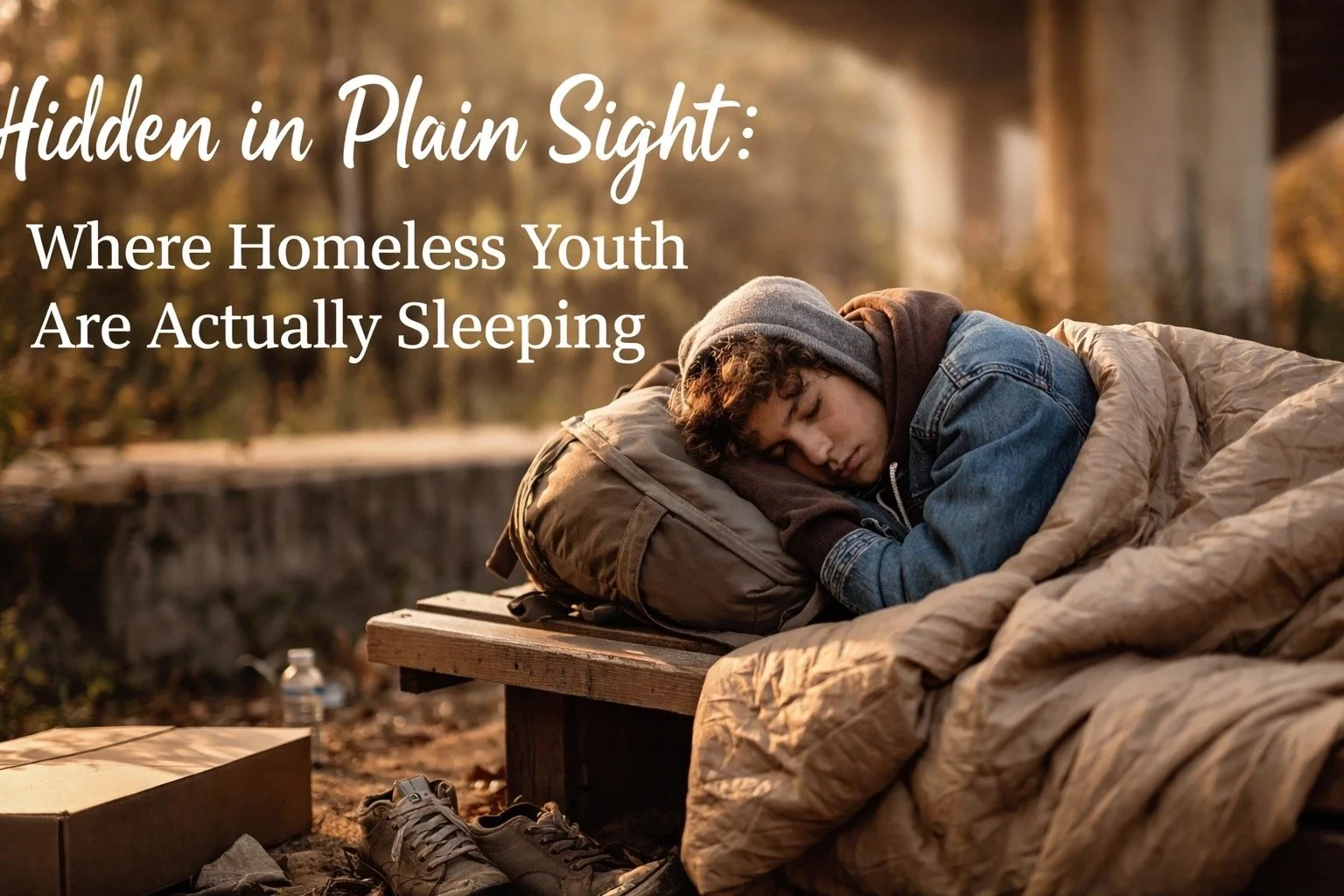
When most people picture homelessness, they imagine someone sleeping under a bridge or huddled on a park bench. But here's the truth that often goes unnoticed, and that is that youth homelessness doesn't usually look like that. In fact, most homeless young people are completely invisible to us, hidden in plain sight, sleeping in places we pass by every single day without a second thought.
At Sana Place Indy, we've had honest conversations with young people about their experiences. What they've shared has opened our eyes to a reality that most communities don't see, or don't want to see. These young people aren't always on the streets. They're in hospital waiting rooms. They're riding the bus all night. They're curled up in laundromat chairs at 3 AM.
And they're everywhere.
The Invisible Crisis
Here's a startling fact: fewer than 8% of homeless children and youth experience what we'd traditionally call "street homelessness." That means the vast majority of young people without stable housing are finding other ways to survive, ways that keep them out of sight and off the radar.
Research shows that among 18- to 25-year-olds experiencing homelessness, nearly 65% engage in couch surfing at some point. In rural areas, youth are twice as likely to be staying with others rather than in shelters or on the streets. This fluidity of bouncing between a friend's couch, a public space, and back again means their homelessness goes completely unrecognized by their communities.
They're not counted. They're not seen. And too often, they're not helped.
Where Are They Actually Sleeping?
Young people have opened up to us about where they go when they have nowhere else to turn. Their answers might surprise you, or maybe they'll make you look at familiar places in a whole new way.
Bus Stations and Public Transit
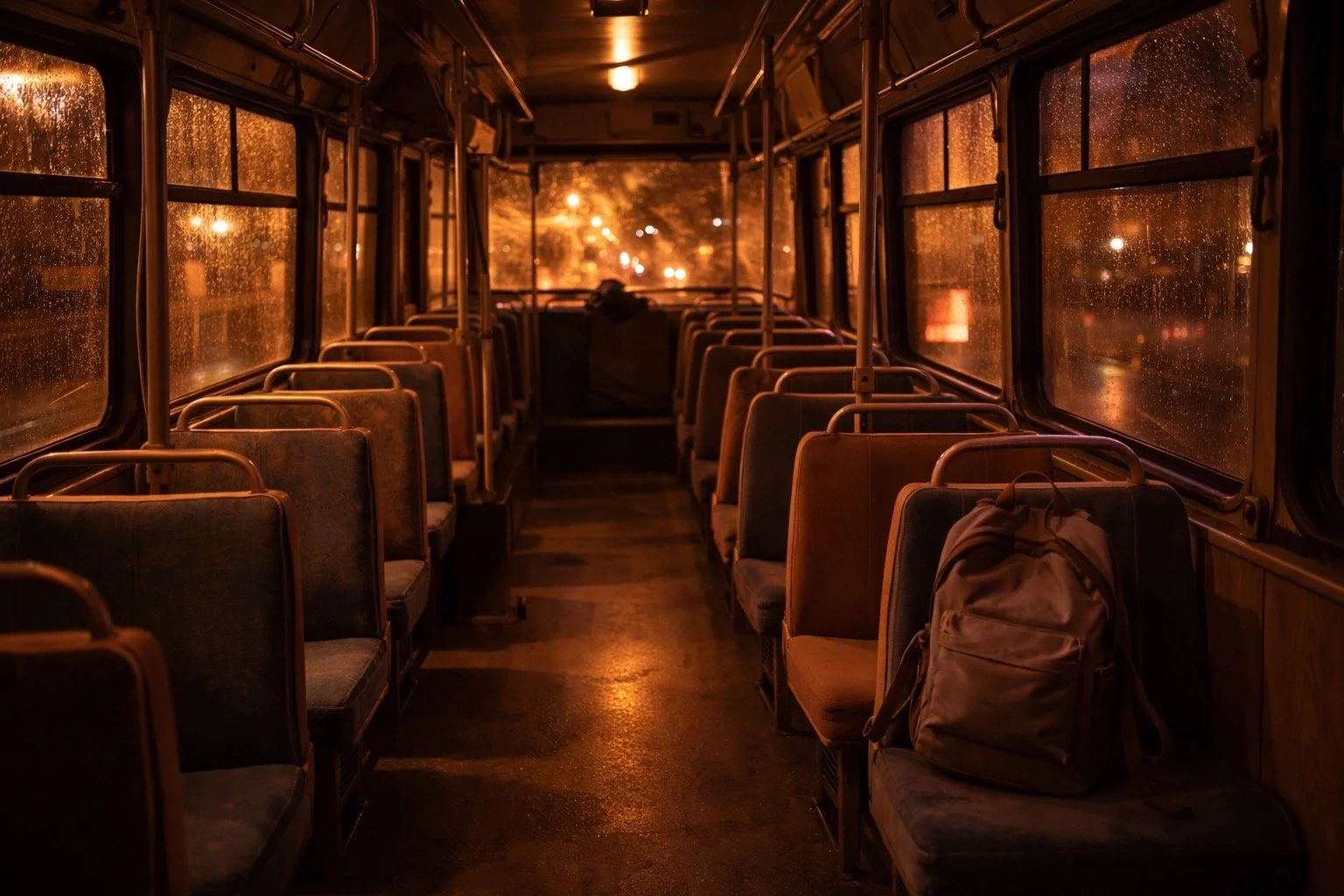
Bus stations offer 24-hour access, warmth, and a place to sit without being immediately questioned. Many young people spend entire nights riding buses back and forth across the city until the route ends. It's not comfortable, but it's safer than being outside alone. The gentle motion of the bus, the white noise of the engine, sadly, for some youth, it's the closest thing to peace they can find.
Hospital Waiting Areas
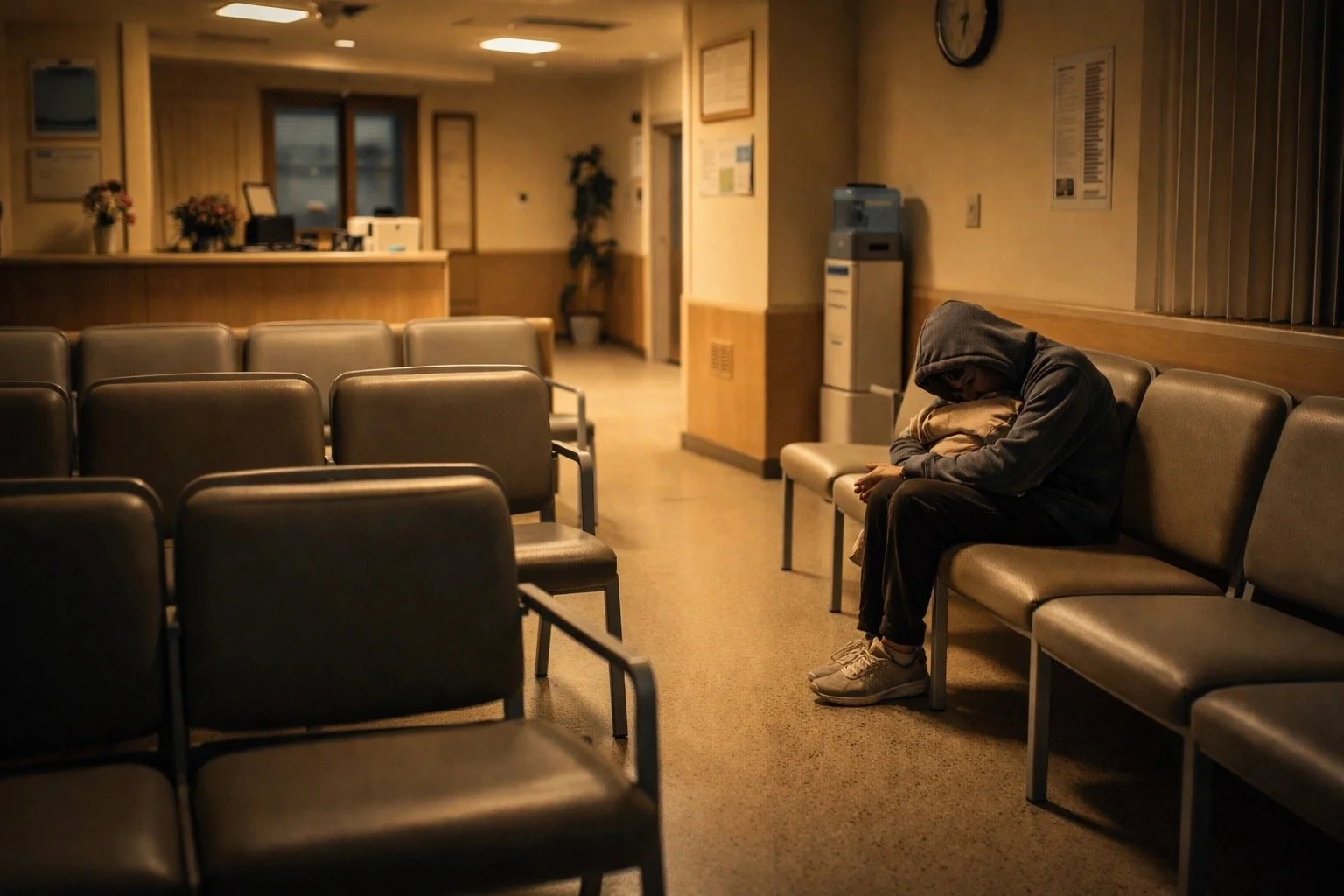
This one catches a lot of people off guard. Hospital waiting rooms, and especially emergency rooms and labor and delivery areas that are open around the clock and have a constant flow of people coming and going. A young person sitting quietly in a corner doesn't stand out. They can rest for a few hours, stay warm, and access a bathroom. Some youth have told us they'll move between different hospital waiting areas throughout the night to avoid drawing attention.
Building Lobbies and Stairwells
Apartment building lobbies and stairwells offer temporary shelter from the elements. Youth slip in when residents come and go, finding a quiet corner to rest until someone notices them or until morning comes. It's precarious and stressful to always listening for footsteps, always ready to move.
Laundromats and Apartment Laundry Rooms
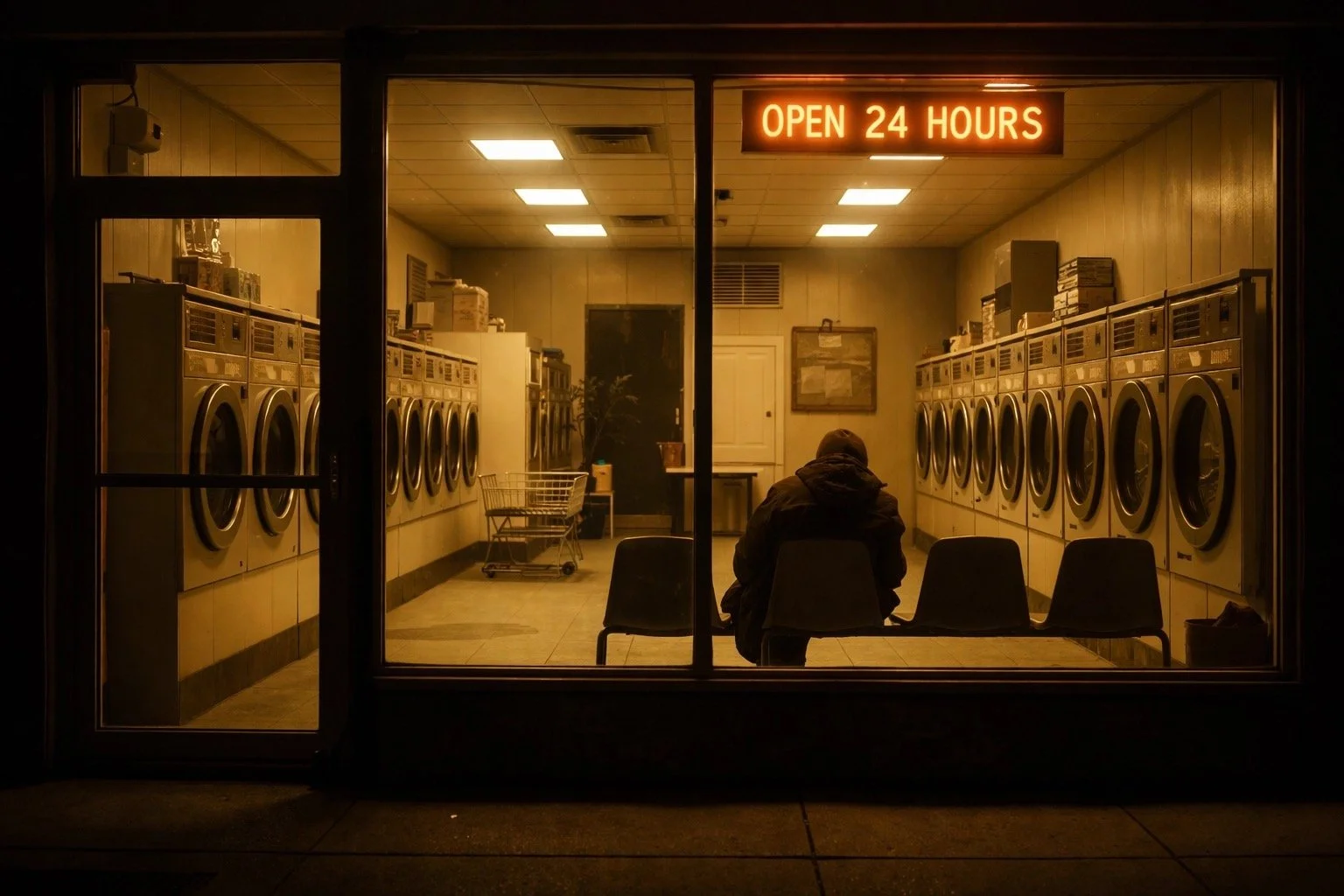
Laundromats are often open late or even 24 hours. The warmth from the dryers, the white noise, and the relative anonymity make them appealing spots for young people with nowhere else to go. Apartment complex laundry rooms serve a similar purpose, but they come with the added risk of being caught and removed.
Cars: Their Own or Otherwise
Some youth are fortunate enough to have access to a car. Living out of a vehicle isn't easy, but it provides a locked door and some sense of privacy. But here's something that might be harder to hear and that’s that some young people have admitted to stealing cars just to have a safe place to sleep for the night. It's not for joy riding or criminal intent, it's an act of survival. When you're exhausted, scared, and out of options, desperation drives decisions that would otherwise seem unthinkable.
Couch Surfing
Perhaps the most common, and most invisible, form of youth homelessness is couch surfing. Young people bounce from one friend's house to another, staying a few nights here and there before wearing out their welcome. Research shows that 72% of youth who have slept on streets or in shelters have also couch surfed during their homeless experience. It's unstable, it's temporary, and it often comes with strings attached forcing some youth into the horrific practice of “survival sex”. This happens when people exploit homeless people by coercing them into to sex in exchange for the young person to have a place to sleep. But for many young people, couch surfing is the only option that feels somewhat normal.
Why Don't We See Them?
There are several reasons homeless youth remain hidden from view.
They actively avoid detection. Many young people have learned that being visibly homeless can lead to negative interactions with law enforcement, removal from public spaces, or unwanted attention. They've developed survival skills that keep them under the radar.
They don't fit our stereotypes. A teenager scrolling through their phone in a hospital waiting room doesn't look homeless. A young adult with a backpack riding the bus all night could just be coming home from work. Our assumptions about what homelessness looks like cause us to overlook the young people right in front of us.
They move constantly. The fluidity of their arrangements, from a couch one night, a bus station the next, back to a different friend's place after that, means they don't stay in one place long enough to be counted or connected with services.
They're embarrassed or afraid. Many homeless youth don't want to be identified as homeless. They're ashamed, scared of being judged, or worried about being forced into systems they don't trust. So they stay quiet and stay hidden.
What Young People Actually Need
Here's where hope enters the picture.
Young people experiencing homelessness need more than just a roof over their heads for one night. They need places that feel safe, welcoming, and judgment-free. They need spaces where they can breathe, heal, and start building toward a better future.
That's exactly what Sana Place Indy is working to provide. Our vision is simple but powerful, we want to become one of the most popular place for young people in need to sleep. Not a bus station. Not a hospital waiting room. Not a stranger's car.
A real home. A place of healing.
Programs like ours offer more than just shelter. We provide trauma-informed support, wraparound services, and a community that believes in young people's potential. We meet youth where they are, without judgment, without conditions, and walk alongside them as they find their footing.
When a young person knows there's a safe, compassionate place waiting for them, they don't have to ride buses all night. They don't have to pretend to be visiting a patient in the ER. They don't have to make desperate choices just to survive another night.
The Role of Community Support
Organizations like Sana Place Indy can't do this alone. It takes an entire community coming together to make sure no young person has to sleep in a stairwell or steal a car just to feel safe.
Community support looks like:
Financial contributions that help us keep our doors open and our services running
Volunteering time and skills to support young people directly
Spreading awareness so more people understand the hidden nature of youth homelessness
Advocating for policies that protect and support vulnerable young people
Simply paying attention to the young people around you who might be struggling in silence
Every single one of us has a role to play in making sure homeless youth have somewhere safe to turn. When the community shows up, young people notice. They start to believe that maybe, just maybe, there are adults who care about them.
Let's Change the Story Together
Youth homelessness doesn't have to stay hidden. And young people don't have to keep surviving in bus stations, hospital waiting rooms, and stolen cars.
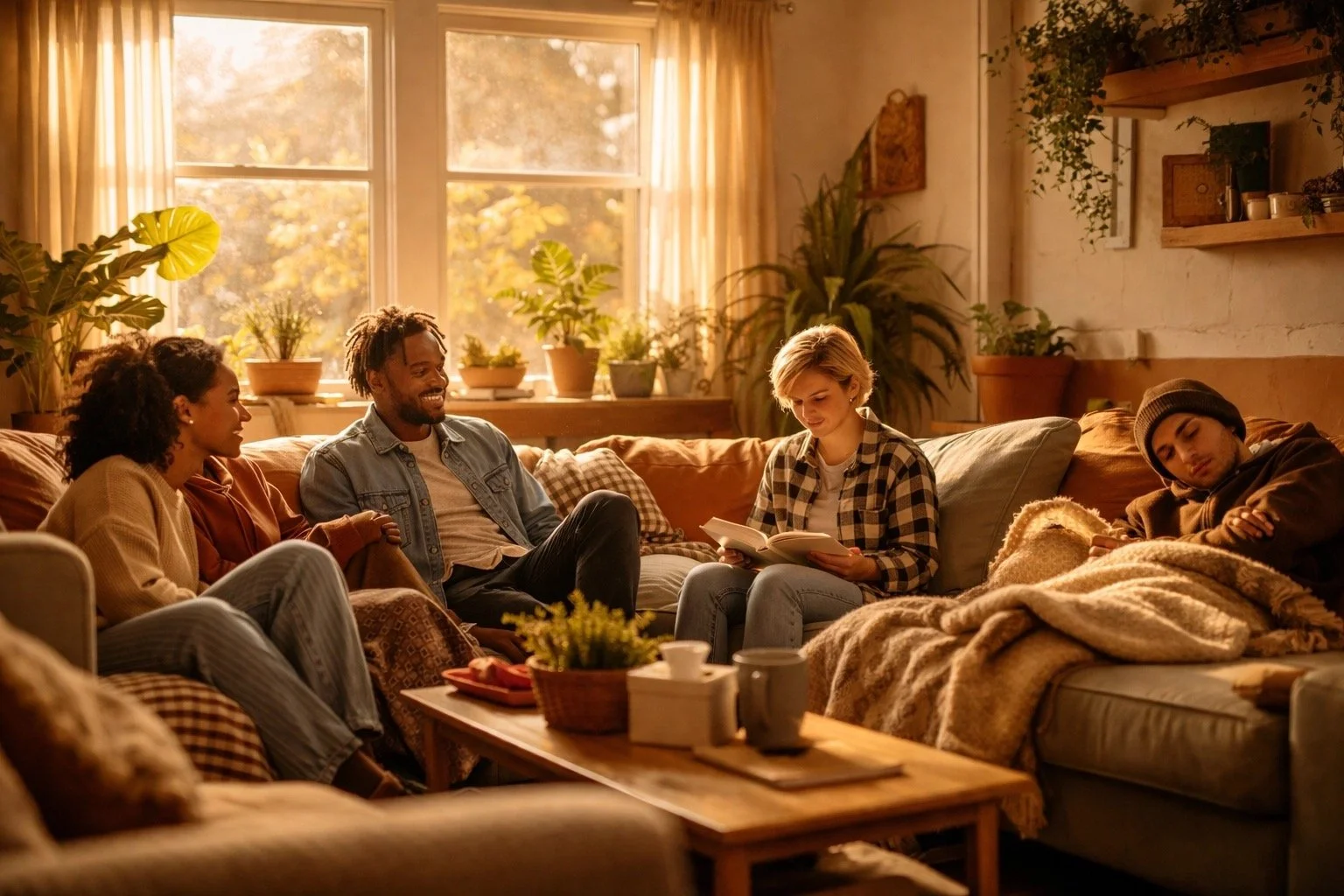
Together, we can create a community where safe, supportive places like Sana Place Indy are the first option and not the last resort. Where every young person knows they have somewhere to go. Where no one has to sleep with one eye open, afraid of being discovered or removed.
If you want to be part of this change, we invite you to learn more about Sana Place Indy, explore ways to get involved, or consider making a gift of hope that directly supports young people in our community.
Because every young person deserves to be seen. And every young person deserves a safe place to sleep tonight.